Women’s Transnational Theatre Networks, 1789-1914
What would a history of nineteenth-century European theatre look like if the work of women were placed at its centre?
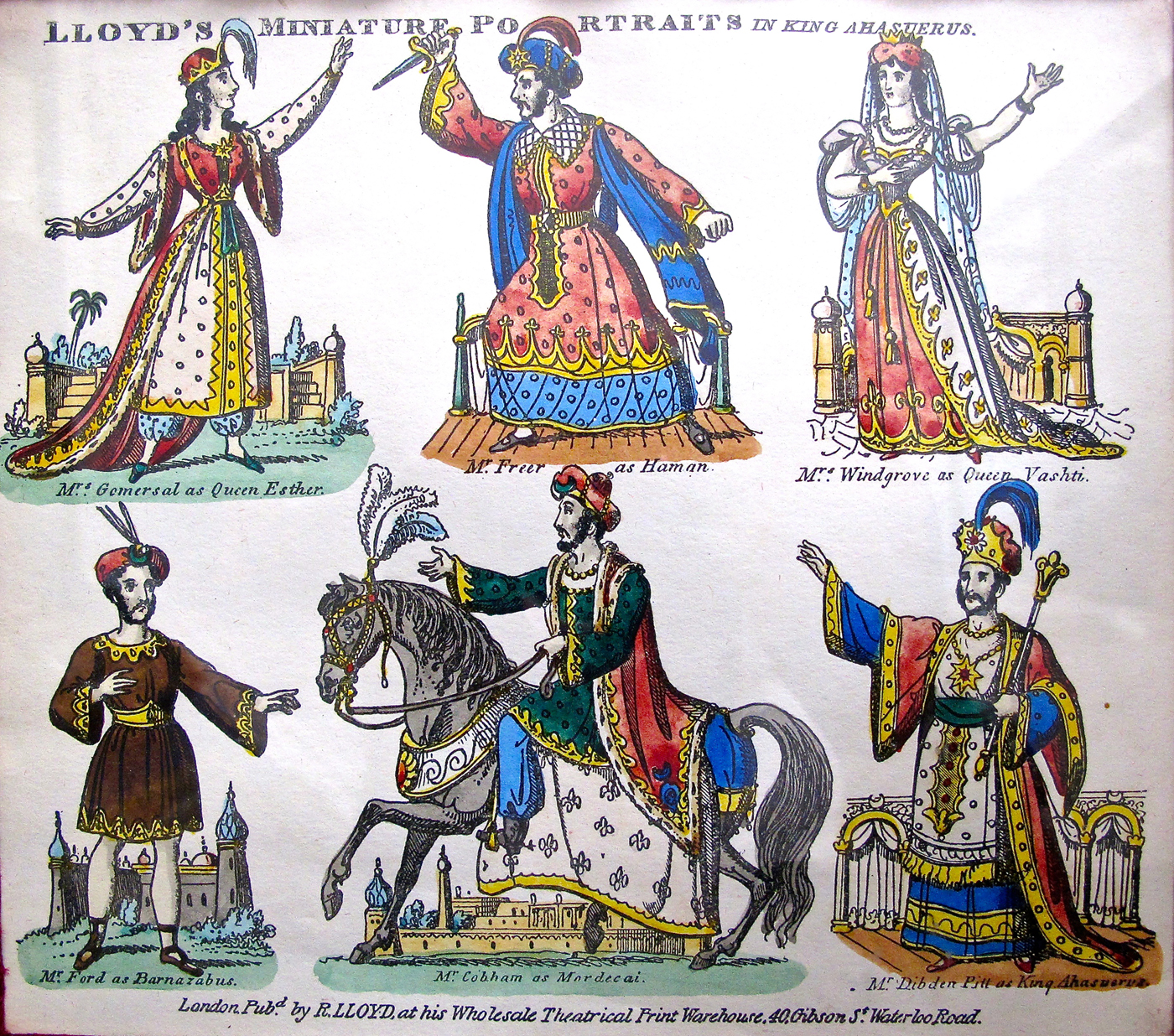
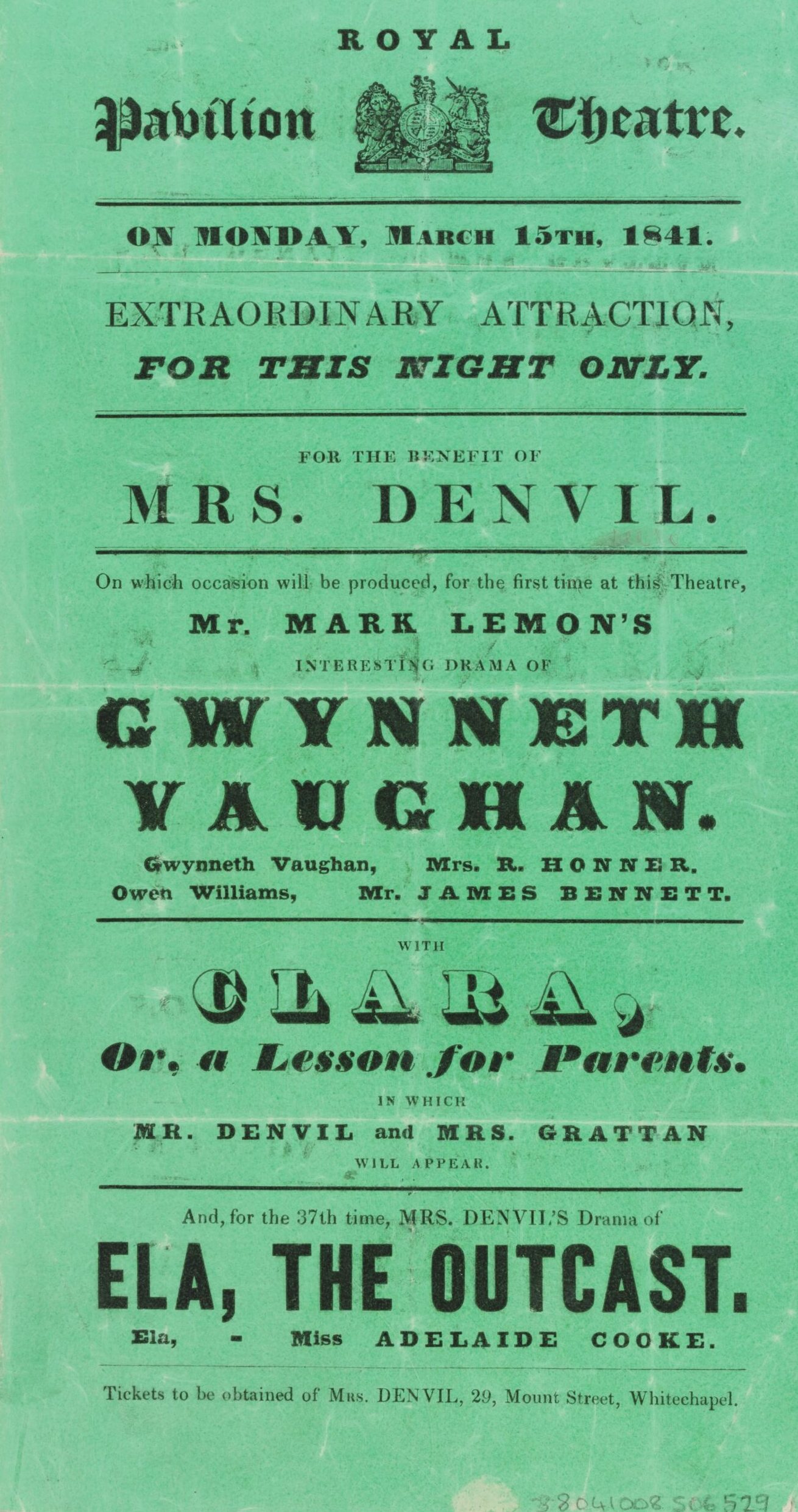
Women’s Transnational Theatre Networks poses this fundamental question to make a paradigm shift in the history of mainstream western theatre in the long nineteenth century.
Women have always been active in the theatre, but their work has been obscured by hierarchies of aesthetic value based on class divisions and sex-based stereotypes of what women can and should do in the theatre. The activity and innovation of women’s work has minimised, and women’s cultural networks regarded as subordinate to networks of powerful male practitioners. Subsequent histories and archival documentation of theatre have followed this pattern.
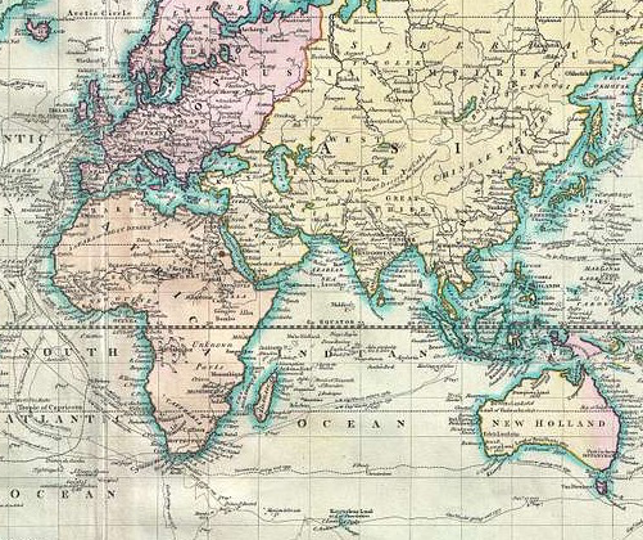
Women’s Theatre Networks will make women’s theatre work visible through a series of case studies of the interlinked theatrical cultures of Britain, Ireland, Australia and India, which will investigate and make visible transnational female-centred networks of creative and intellectual exchange. These case studies will be complemented by a study of women’s exchanges and networks in Britain and France.
We are researching the conditions of women’s theatre work as a form of cultural citizenship, within practices of exchange, circulation, translation, and adaptation, in mainstream commercial theatre and paratheatrical practices.
We are examining archival data of women’s theatre work in the popular and mainstream theatre (including translation and adaptation), and performances outside established theatre spaces (paratheatrical work).
Our Team
Kate Newey
Principal Investigator
Kate is an historian of nineteenth century British literature and culture, specialising in teaching and research in theatre history and women’s writing. She has published widely on theatre and women’s writing, starting with a book on Mary Shelley’s Frankenstein (1993), Jane Austen, Victorian women playwrights, Fanny Kemble, Australian theatre, Victorian theatre and popular culture, John Ruskin, and Victorian pantomime and dance.
Kate wrote Women’s Theatre Writing in Victorian Britain (Palgrave, 2005) which is the first comprehensive study of British women’s playwriting, and includes an index of over 500 women playwrights. Women’s Theatre Networks develops this initial work into a larger project which traces women’s international theatre work, across the well-travelled routes of the British Empire.
Kate’s work in Women’s Theatre Networks is a study of the role of women in establishing theatre in Australia, after European invasion and settlement in 1788. She is interested in women’s creativity and mobility in establishing imperial outposts, against the backdrop of the deracination and colonisation of the indigenous nations of Australia.
Kate ‘s current work is on the home theatricals and artistic work of the women in the Rouse family, whose family archive records several generations of delight in home and amateur performances.

Patricia Smyth
Postdoctoral Research Fellow
Patricia Smyth is a postdoctoral research fellow on the WomenTheatreNet project. She has published in art history and theatre history journals and edited collections and has research interests in nineteenth-century art, theatre, transmediality, popular spectatorship, and affective response. Her book Paul Delaroche: Painting and Popular Spectacle was published by Liverpool University Press in 2022. She was the Association for Art History/ Ampersand Foundation Art Historian in Residence for 2022-3. She is co-editor of the journal Nineteenth Century Theatre and Film.
Her research for the WomenTheatreNet project focuses on the work of Irish women such as Maria Edgeworth, Sydney Owenson, Lady Morgan, and Anna Maria Hall. In developing an interdisciplinary approach that draws on art history, antiquarianism, and cultural geography, she seeks to make visible the creative contribution of women to theatre and performance within the complex social and political relations of post-Union Ireland. She is particularly interested in re-evaluating the theatrical production of the mid nineteenth-century, a period that Christopher Morash refers to as ‘something of a blind spot’ in Irish theatre history. Recent conference papers include ‘The Role of Visual Art in Anna Maria Hall’s The Groves of Blarney’ (IFTR, Cologne, 2025) and ‘Maria Edgeworth’s Amateur Performance Network and the Topographical Imagination’ (Amateur Acts Conference, Venice, 2025).
Current Work
Patricia’s current work examines Hall’s activities as an art critic, as well as her interest in antiquarianism and spiritualism, in tandem with her dramatic output. By drawing on art historical methodologies, she seeks to uncover the meanings embedded in the visual motifs of Hall’s plays, establishing her role and influence in the genealogy of Irish drama.
A primary concern of her research is to look beyond elite feminine networks and to make visible the role of women in traditional ‘folk’ practices as well as within the world of itinerant penny theatres and fairground performance. The rich archival material relating to celebrated figures such as Edgeworth reveals the international scope of her activities in amateur performance and keen interest in drama as an educational tool. However, the majority Catholic population features only glancingly in these records as servants, onlookers and, very occasionally, participants. Patricia’s research seeks points of intersection, exchange, and confrontation between the distinct performance cultures active in nineteenth-century Ireland.

Priya Raman
Postdoctoral Research Fellow
Priya Raman is a Postdoctoral Research Fellow with the WomenTheatreNet project. Priya’s research for this project examines South Asian women’s transnational theatrical and cultural work in India and the British metropole in the long nineteenth century. With a particular focus on women-centered dance traditions in the Kannada-speaking regions of South India, Priya investigates how performance shaped the social, commercial, and geopolitical landscape of colonial India. By tracing these women’s colonized appearances at British and European exhibitions and fairs, the study reveals how they negotiated identity and cultural citizenship.
Aligning with the broader aims of the WomenTheatreNet project, Priya aims to foreground the central role of women’s global and cross-cultural theatrical exchanges. Informal networks of women’s artistry highlight colonial, imperial and nationalist tensions but also draw critical feminist attention to women’s contributions to the economies of leisure, entertainment, and care in Britain and India. The project will seek to inquire if nineteenth-century performance aesthetics and legacies make available new subversive epistemes for contemporary performance practice and decolonial interventions to South Asian transnational performance historiography.
Practice
Priya is a classical Indian dancer, and her performances merge embodied memories of technique and cultural traditions to revive heritage and stimulate social conversations. These practices inform her pedagogy and research, which aims to cultivate empathetic art consumers and position performance as a cultural practice. Priya has a PhD from the Performance as Public Practice Program, the University of Texas, Austin. In her interdisciplinary archival and auto-ethnographic work, Priya integrates dance and performance studies, feminist, and postcolonial studies. Her research interests include South Asian performance history, epistemologies and aesthetics, performance criticism, and spectatorship theories.

Kitty Vega
PhD Candidate
Kitty Vega is a funded PhD candidate at the University of Exeter, working under the supervision of Professor Kate Newey as part of the WomenTheatreNet project. Her research explores 19th-century British women’s paratheatrical performances of death, mourning, and ritual, examining how these coded behaviours were exported through imperial networks. Focusing on British colonial India, her work considers the intersections of the performative, evangelical sensibilities, domestic ideologies, and the cultural politics of empire, particularly through missionary networks and cultural exchange.
Kitty’s academic interests span Victorian studies, performance studies, gender studies, art history, death and mourning, ritual, cultural exchange, transnationalism, empire, and material culture. She is especially interested in how mourning practices both reflect and shape cultural identities across global contexts.
Before beginning her PhD, Kitty developed extensive experience in heritage research and project management. She holds a First-Class BA (Hons) in Museum and Heritage Studies from the University of Brighton and an MA (Distinction) in the History of Design and Material Culture.
Related Projects
Performing Citizenship
https://www.p-citizens.gwi.uni-muenchen.de/research
Theatrnomics
https://www.theatronomics.com/